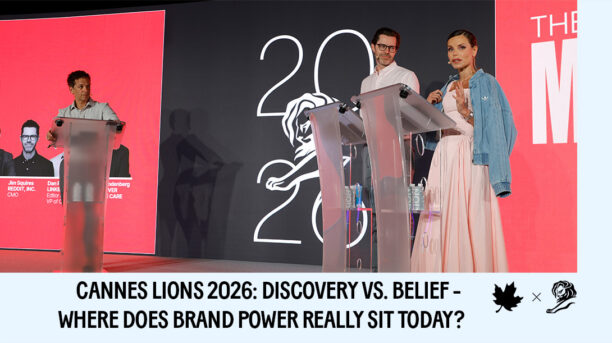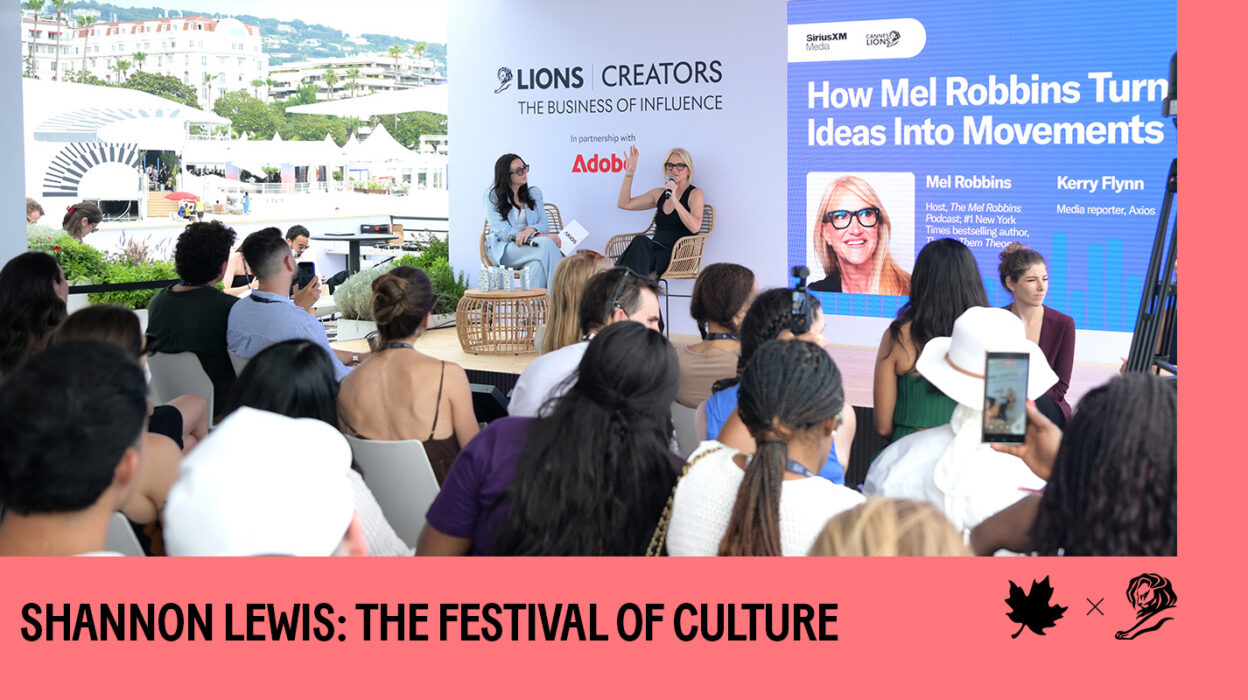
As a Cannes Lions Ambassador, member of the Canadian Cannes Lions Advisory Board, and President of the CMDC, Shannon Lewis spent the week immersed in the conversations and cultural shifts shaping our industry. Her biggest takeaway? Cannes Lions has always been the global stage for creativity, but this year it felt like something bigger: a festival of culture.
Across the Croisette, the conversations became a live stream on the forces shaping how people live, connect, consume and make decisions. Creators, communities, entertainment, AI, privacy, trust and belonging were no longer separate themes. They were all connected, revealing a much bigger shift in how culture moves and how brands earn relevance.
Fashion, sport, music, media and technology collided in ways that made Cannes feel less like an industry event and more like a cultural barometer.
For the media industry, this is familiar territory. We have always lived close to culture: understanding audiences, spotting shifts in behaviour and helping brands build meaningful relevance. But this year reinforced something even bigger. Media is not just where culture is carried. It is where culture is shaped, trusted and amplified.
Here are a few defining themes from the week.
Theme 1: Brands That Reduce Friction Win
“In a volatile world where the allostatic load is boiling over, the most valuable brands go beyond selling products; they help regulate emotion by providing stability and a sense of respite.”
— Alex Jenkins, Editorial Director, Contagious
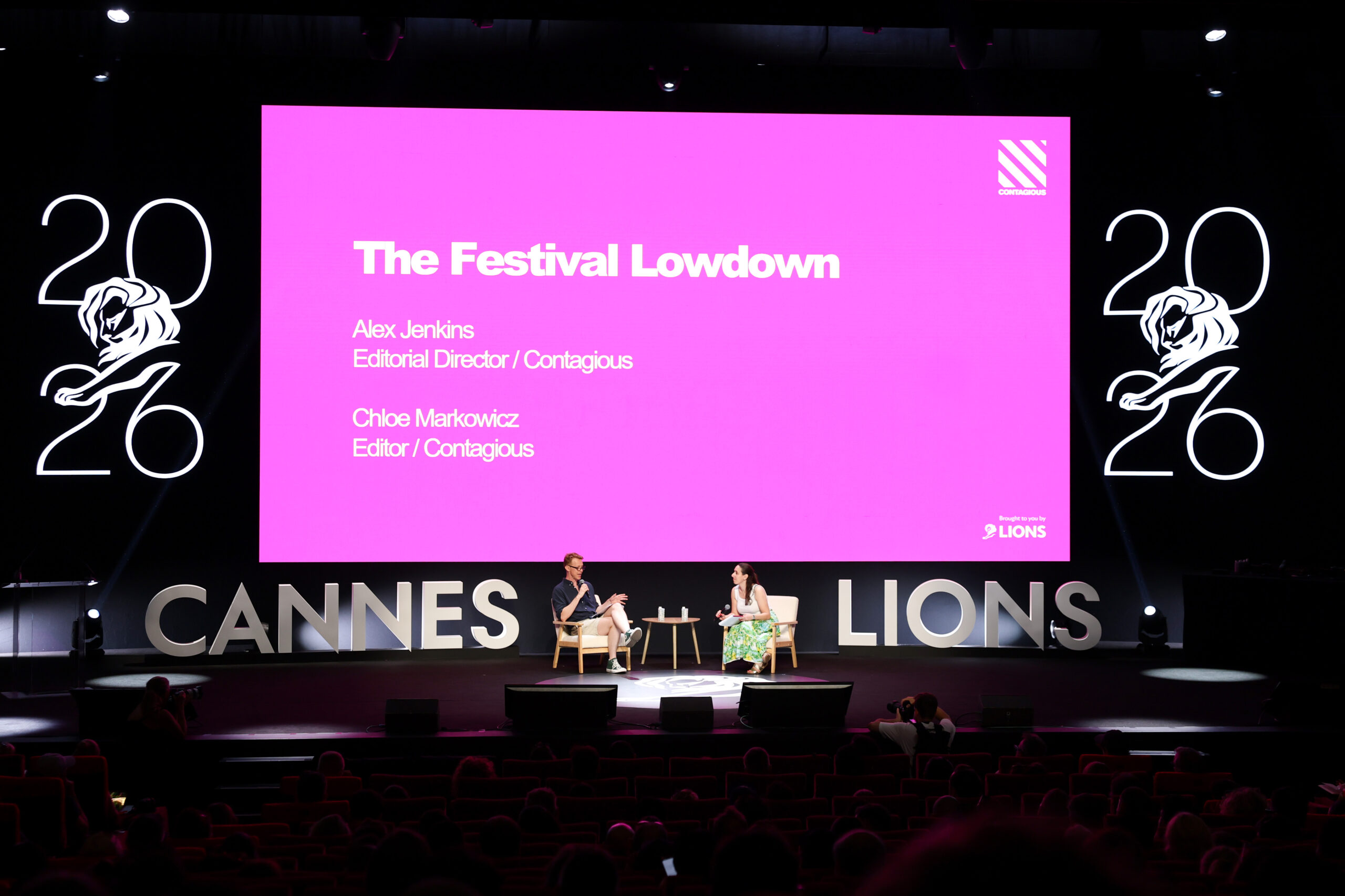
Consumer stress is at historic highs, with more than a third of adults worldwide reporting daily anxiety, driven largely by economic precarity. In this high-stakes environment, brands that reduce friction, create certainty and restore a sense of ease hold a powerful advantage.
Jenkins pointed to two strategies driving this shift.
The first is Stability. Brands are moving from reaction to prevention. Suncorp is helping homeowners prepare for climate risk through tools like Haven, which assesses exposure to extreme weather and redefines the role of insurance. Penny supermarket turned affordability into a visible brand promise with its “Price Packs,” renaming products by their price and driving a 2,200% increase in association with price stability.
The second is Nostalgia. In moments of uncertainty, people look for emotional respite through familiar cues and simpler times. Vacation has built a modern sunscreen brand around an unapologetically retro 1980s aesthetic, putting it on track to reach roughly $80 million in sales. Back Market has leaned into retro tech and screen-free culture, while McDonald’s continues to tap into adult nostalgia through high-profile Happy Meal collaborations.
What does this mean for our media industry? In a complex economy, our opportunity is not just to sell. It is to soothe, reassure and help audiences feel more grounded. The strongest strategies reduce cognitive friction and create a greater sense of trust, ease and emotional connection.
Theme 2: “The Creator Economy Comes of Age“
“Everyone on your team should be a creator.”— Grace Kao, CMO, Snap
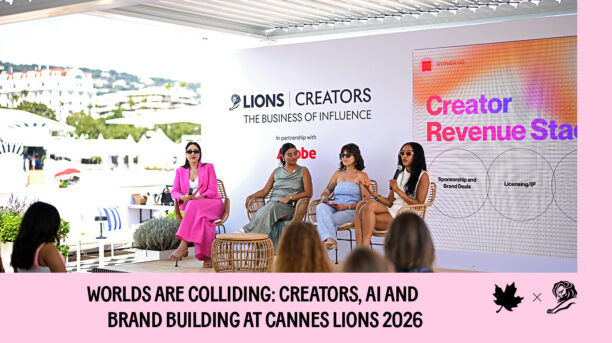
The creator economy came of age this year, moving from cultural influence to real business power. Creators did not just arrive at Cannes; they brought the energy with them. With creator ad spend reaching $37 billion, more than 500 creators landed on the French Riviera to build partnerships, shape conversations and, yes, close a few big deals.
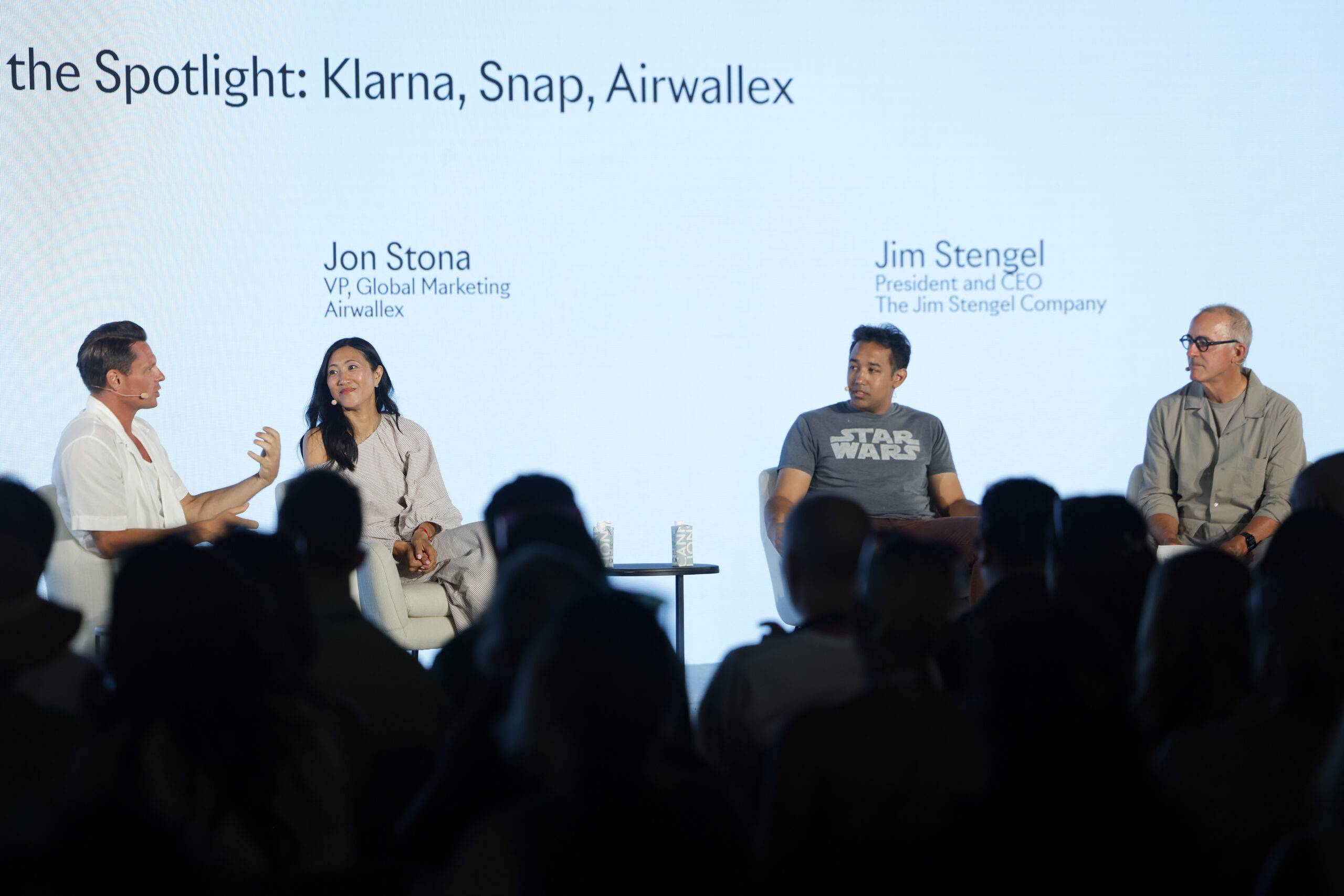
Cannes still had all the traditional star power: Oprah Winfrey, Priyanka Chopra Jonas, Lindsey Vonn and Shaquille O’Neal. But the new momentum was clearly creator-led. Steven Bartlett, Bran Flakezz, Jay Shetty, Mel Robbins, Alex Cooper, Airrack and the twin sisters behind the fast-rising loungewear brand Phe Phe were not just drawing crowds because of their followings. They were there as founders, storytellers, entrepreneurs and modern media builders. That was the real shift. Creators are no longer just talent. They are platforms, communities, production engines and business leaders in their own right.
Mel Robbins’ session captured this shift perfectly. It focused on the business behind the content: the craft, discipline, deep audience insight and data required to turn a voice into a global platform. Channeling Malcolm Gladwell’s famous 10,000-hour rule for mastery, Robbins shared that she invests 100 hours of research into each episode.
From YouTube to Snap, platforms showed how the creator mindset is redefining execution. This came to life inside Snap’s immersive experience, The Art of Jonathan Yeo in Augmented Reality. Developed alongside Snap’s AR Studio, the partnership with the renowned portraitist turned his artwork into a personalized journey through Spectacles, proving that advanced technology does not replace human artistry. It elevates and expands how audiences experience it.
What does this mean for our media industry? We need to inspire the creator in our talent and teams: to stay curious and focused on the craft. AI may democratize the tools, but human curiosity, taste and the courage to experiment remain our true competitive advantages.
Theme 3: AI Moves from Experimentation to Enterprise
“This generation of AI is not just a technology transformation; it is a business transformation.”
— Denise Dresser, Chief Revenue Officer, OpenAI
The big shift in AI is about enterprise transformation.
OpenAI’s Denise Dresser offered a clear leadership framework. Many organizations began their AI journey by focusing on individual productivity: faster writing, faster analysis, faster execution. But lasting enterprise value will come from something much deeper: building AI literacy across the workforce, embedding AI into core workflows and rethinking the organizational fabric itself.
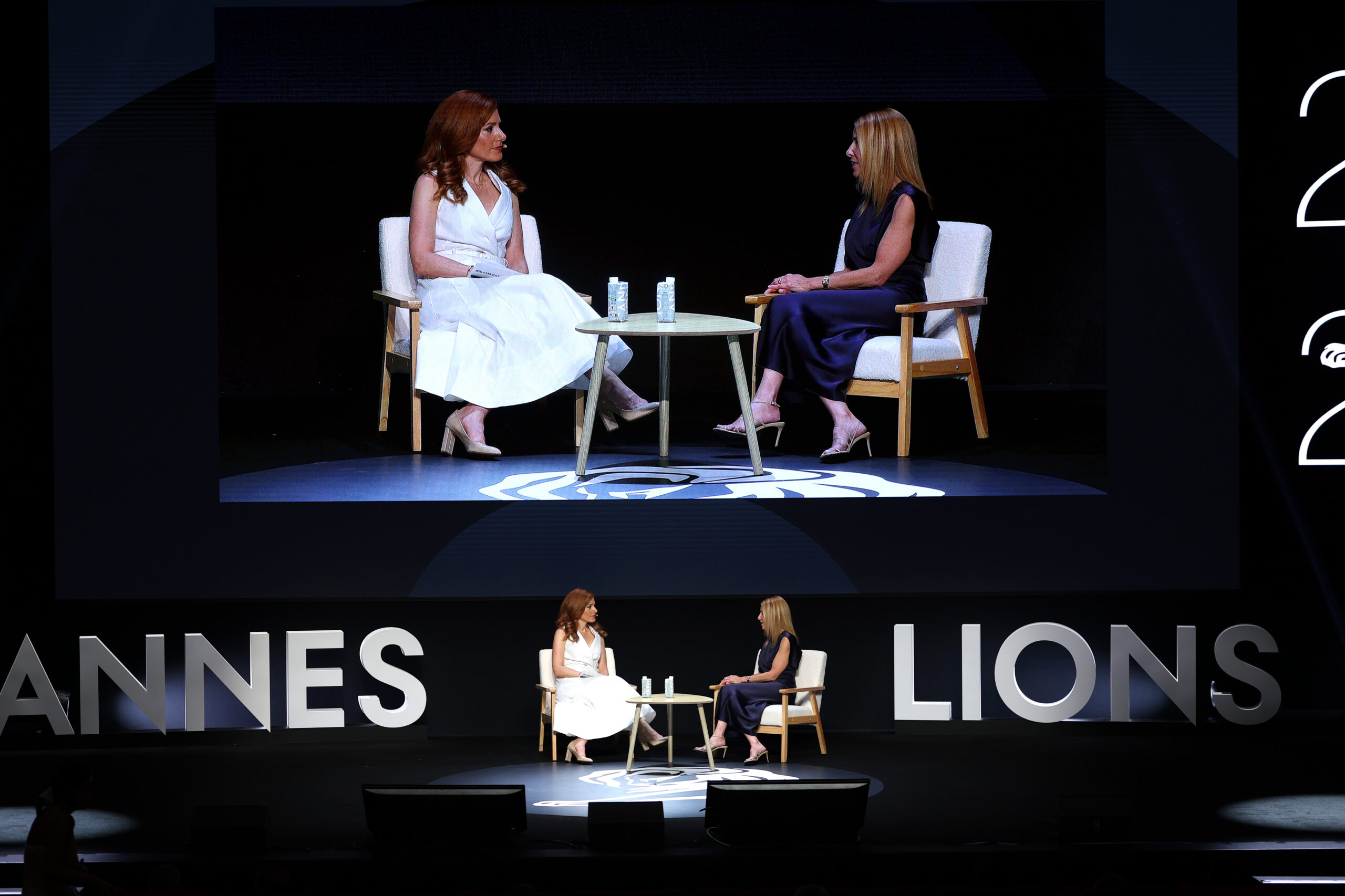
As she said, “Intelligence is not the bottleneck.” The real challenge is leadership, education and culture.
That message was reinforced at Google Beach, where Demis Hassabis, Co-Founder and CEO of Google DeepMind and Nobel Prize-winning scientist, challenged the industry to think beyond automation. His perspective connected AI back to imagination, memory and human creativity: the foundations of original thinking.
Google DeepMind’s Cannes Lions Grand Prix-winning Project Genie, a research prototype that can generate interactive, playable 2D worlds from a single prompt or image, offered a glimpse of where creative intelligence is heading. Not AI that simply produces more content, but AI that helps people imagine, build and explore entirely new worlds. It raises the creative ceiling of what is possible.
As agentic AI reshapes how consumers search, compare, decide and buy, brand equity becomes more important, not less. Research presented by Charlie Oscar and WARC found that 63% of LLM visibility is driven by long-term brand equity. AI does not erase the value of brand-building. It raises the stakes.
What does this mean for our media industry? AI will raise the bar. The race will not be won by the organizations with the most technology, but by those with the strongest leadership, the most AI savvy teams and the courage to rethink how work gets done. In an AI-driven discovery ecosystem, brand-building becomes a competitive advantage.
Canada’s Moment
One true highlight at Cannes was not on a global stage. It was our own.
Moderating Canada’s Moment, a conversation with industry’s leaders, Laura Pearce, Eva Salem, Krystle Mullin and Joseph Bonnici, we explored a simple but important question: What is Canada’s competitive advantage in a world being reshaped by constant change?
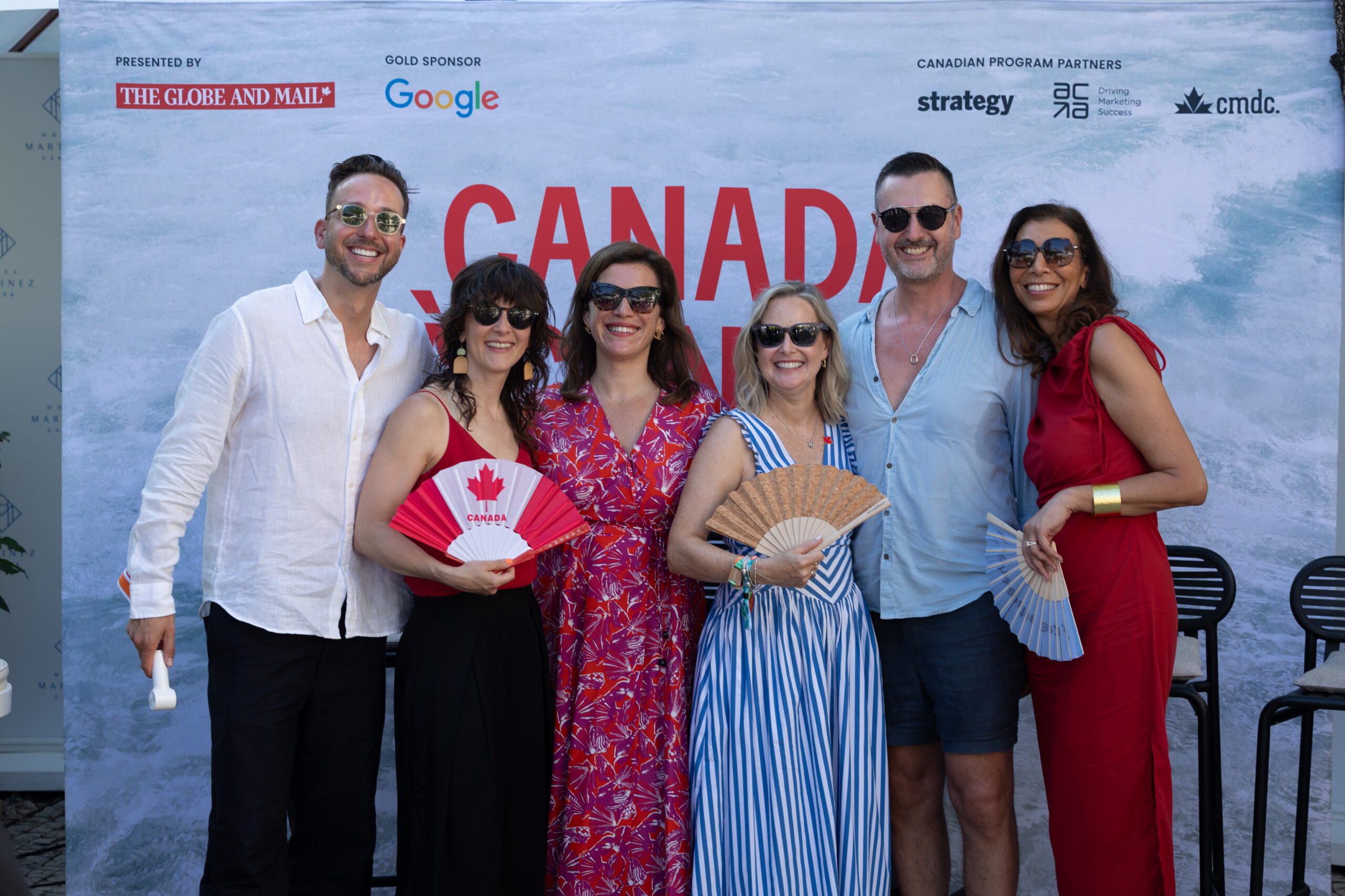
The answer was not technology alone. It was creativity, trust and collaboration.
Eva Salem from Canadian Tire captured it beautifully. Canada already has so much of what the global market needs next: world-class talent, advanced tech, natural resources, curiosity and one of the most diverse, multicultural audiences anywhere.
The opportunity is not to ask whether Canada can compete. It is to recognize that we already have the ingredients to lead. Now we need the collective confidence, investment and collaboration to scale them.
Canada’s strength is not just what we make, but how we work: through partnership, community and a deep sense of responsibility to our audiences.
This festival reminded me that creativity remains our greatest economic differentiator. AI will accelerate ideas. Creators will reshape culture. Brand equity will become even more vital. But it will still be people, and the strength of our media community, who determine what comes next.
None of this would be possible without the incredible team at The Globe Media Group and The Globe and Mail, who have invested in and championed Canada on the global stage for more than 20 years. They have not just brought Canada to Cannes; they have ensured our industry has a meaningful seat at the table.
Canada strong. Canada’s moment. 🇨🇦
Shannon Lewis, President, CMDC, Cannes Lions Advisory Board member
Shannon champions the Canadian Media Directors’ Council business objectives with sound strategy, inspired creativity, and humanity. The CMDC operates to ensure a fair and progressive media marketplace with members accounting for 96% of the total media investment, over $10 billion invested in the Canadian economy, jobs and communications infrastructure. She is passionate about CMDC’s mission of the Canadian Media Manifesto, which galvanizes the media industry to support a healthy, balanced media ecosystem, fostering responsible media and giving media agency clients more opportunities to connect with diverse Canadian audiences. Consistently recognized as a highly motivated and transformational leader with accolades including Canadian Business RBC SME Top 25 Women to Watch.