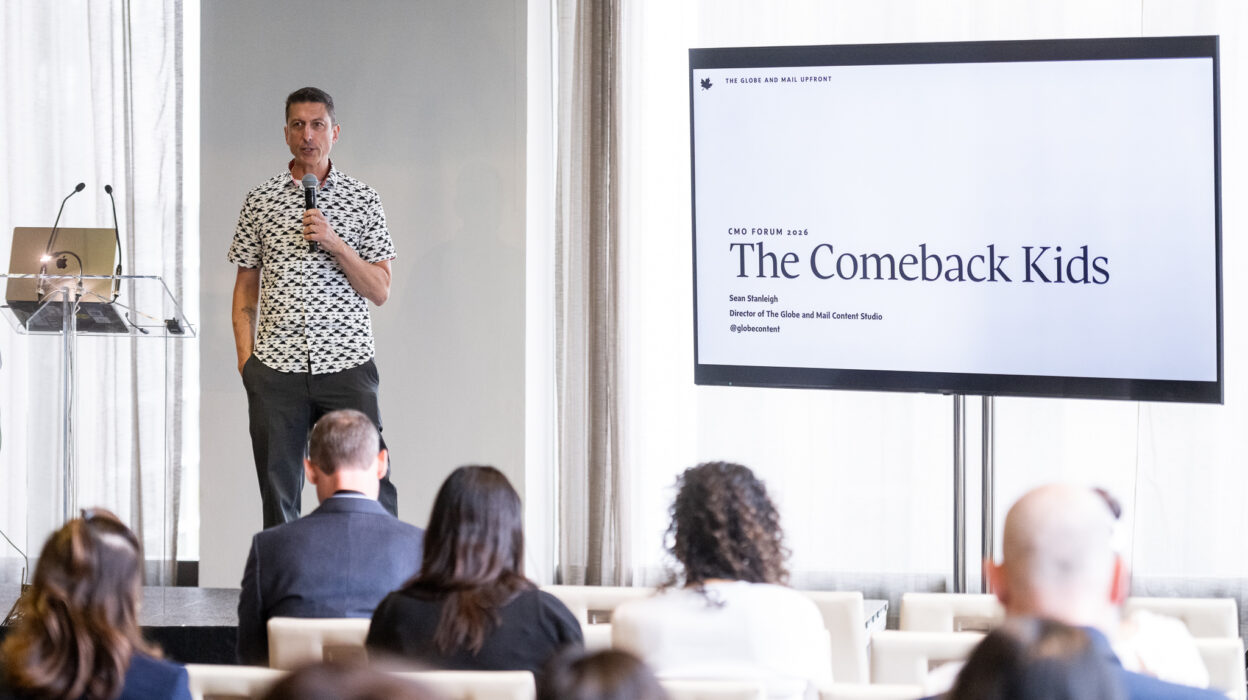
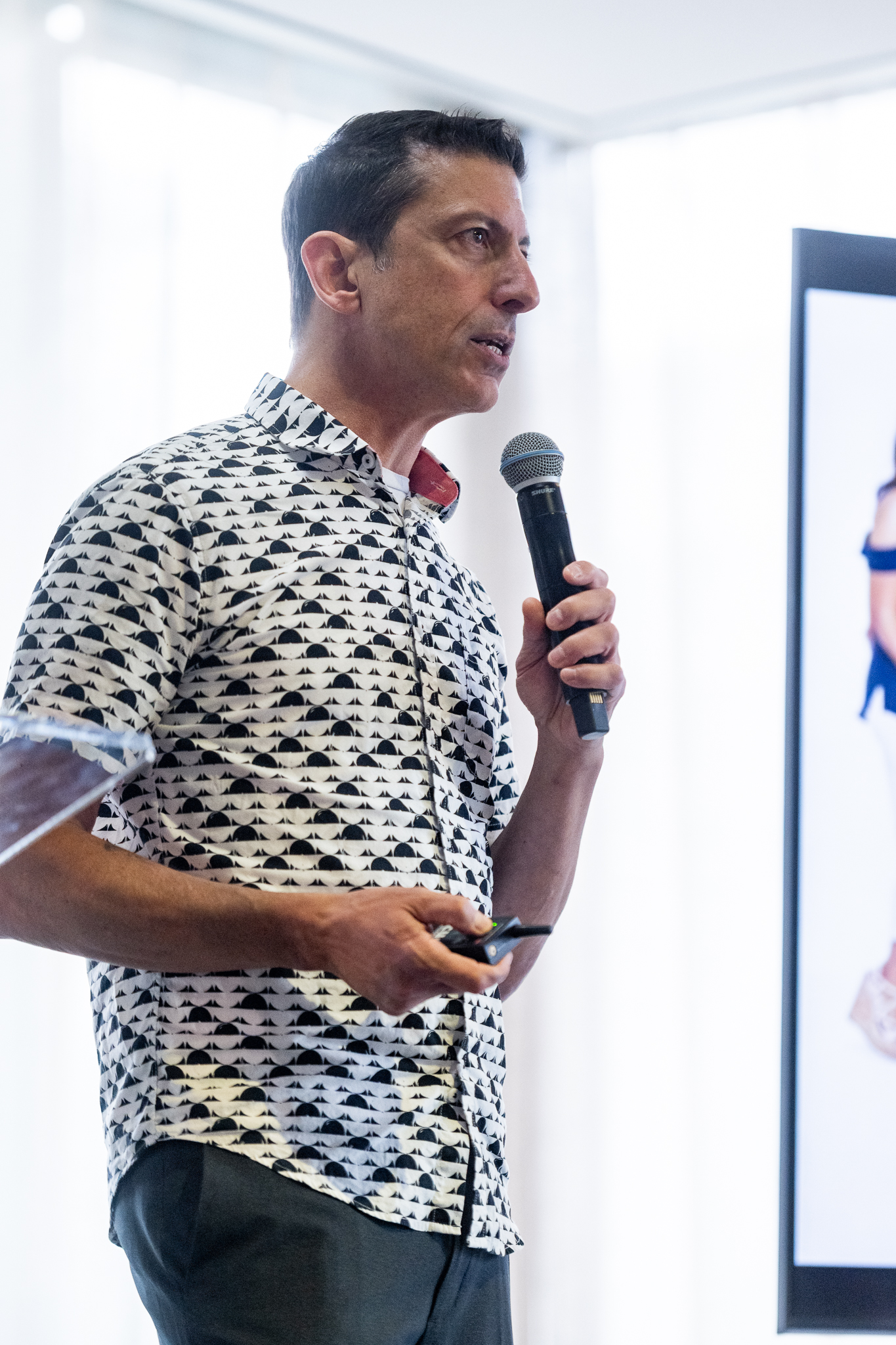
Sean Stanleigh, Director, The Globe and Mail Content Studio
Mad Men remains one of the most popular series of all time, more than 10 years after the release of the final episode.
Yes, it’s a character study. Yes, it’s visually sumptuous. Yes, it’s set in New York in the swinging ‘60s. But ultimately, it’s a show about marketing and advertising. It’s about creativity at the start of the era of consumer culture.
The show represents a time when agency employees would sit in boardrooms and brainstorm – a business term that dates at least as far back as the 1950s. These meetings took place without technology to aid or distract from the creative process (though you’ll likely find plenty of references to liquid enhancements).
These days marketing as a profession is firmly rooted in disruption mode. I’m mindful of this quote from Mark Zuckerberg in 2025, during a discussion with Ben Thompson on the Stratechery podcast about AI and the evolution of social media:
“We’re going to get to a point where you’re a business, you come to us, you tell us what your objective is, you connect to your bank account, you don’t need any creative, you don’t need any targeting demographic, you don’t need any measurement, except to be able to read the results that we spit out. I think that’s going to be huge, I think it is a redefinition of the category of advertising.”
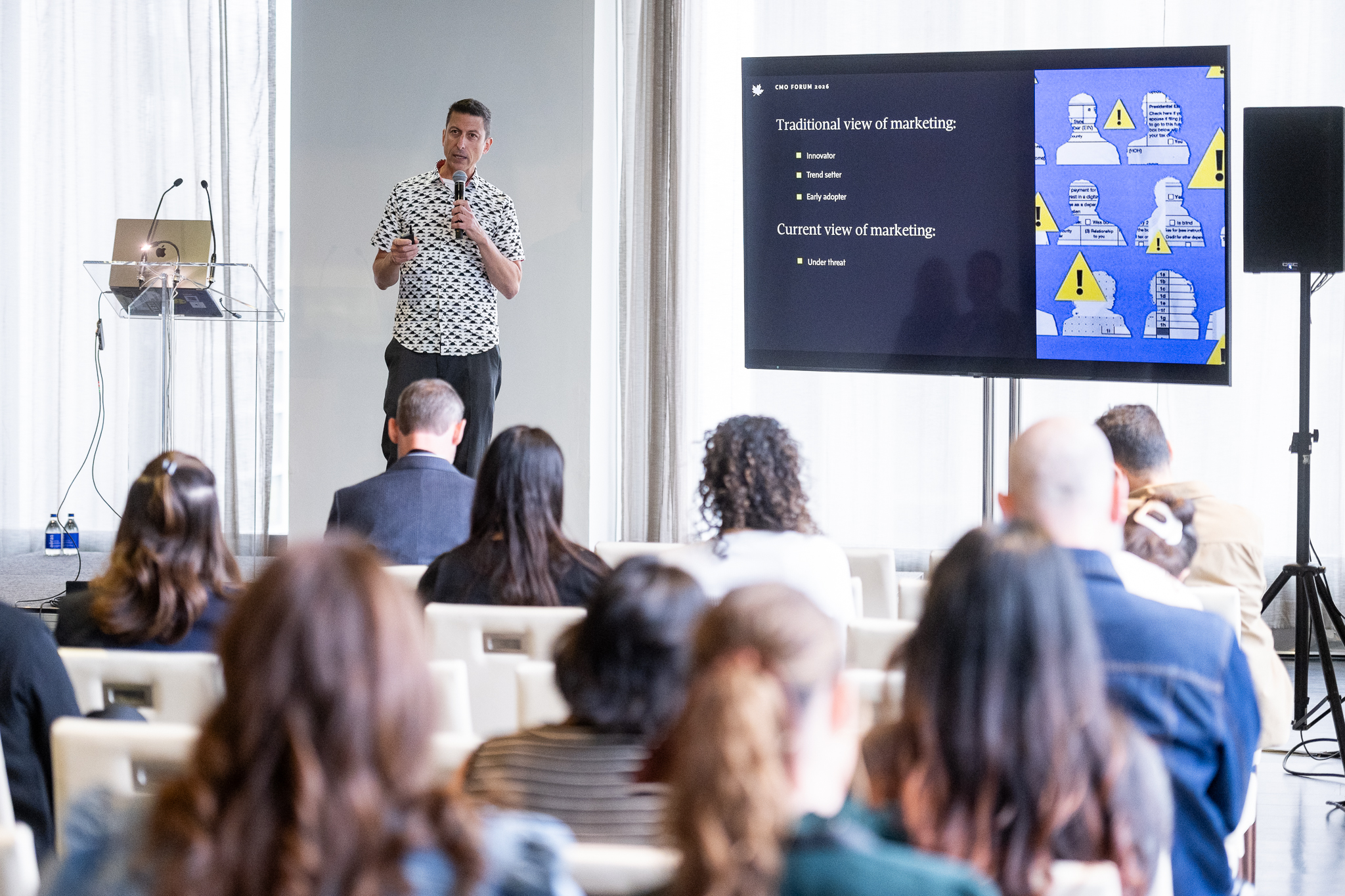
Whatever your feelings about the statement, it flies in the face of the traditional view of a marketer:
- Innovator
- Trend setter
- Early adopter
Would generative AI be able to conjure Nike’s classic Just Do It campaign? Dove’s Real Beauty series of ads? Old Spice’s highly successful Smell Like a Man, Man segments? Probably not.
What’s needed is a level set. When it comes to AI, use it to outsource your tasks, not your thinking. As a starting point, there a few key areas where ‘the robots’ can play a role:
- Research
- Coding
- Decks
- Data analysis
- Information retrieval and summarization
- Program management
- Campaign optimization
Consider what’s not included on that list: Creative campaign concepts. Writing and editing. Photo, video and audio production. All are table stakes for marketing and content-marketing campaigns, and they happen to be disciplines The Globe and Mail Content Studio intentionally leaves in the hands of humans.

In a world where you can no longer believe what you see and hear, our expectation is that a significant percentage of online audiences will seek trusted sources. Work made by humans for humans, with that commitment expressly and publicly stated.
It’s also important to note that creativity is a muscle marketers need to flex. Using AI for tasks best done by humans is a slippery slope. The more you outsource them, the harder it is to build those right-brain muscles back. It’s up to marketing leaders to set ground rules for their teams when it comes to permissible uses of AI tools in a work context, and to reinforce those expectations on a regular basis.
As cost and ROI pressures have mounted, brands have been shifting away from awareness tactics in favour of performance marketing. But awareness provides an avenue to convey core values, personality and, above all, creativity. The process is as close to the Mad Men era as marketers these days are going to get.
It’s good for business in the long term. Memorable brands will be successful brands.
Here are a few tactics to keep in mind for awareness-led campaigns:
- Prioritize quality over quantity. Resist the instinct to flood the zone.
- Move fast on adopting purposeful AI technology that solves for process inefficiencies, adding time for campaign ideation and creation.
- Maintain consistency of voice and tone, even as you try new things. Jump on trends by figuring out where your brand can find a natural fit. What’s popular in music, streaming, social, sports and culture?
- Put humans at the centre of your storytelling. Make it relatable. The answer to ‘could AI do this?’ must be ‘no.’
- Don’t do creative in a vacuum. Get as many team members together as possible. Tap the hive mind through brainstorming. Whiteboards and sticky notes – real or virtual – are your friends. Seeing ideas in writing spurs more and expanded thinking.
- Influencers are popular for a reason. Channel that energy with a list of potential brand representatives who have distinctive, on-brand personalities.
- Make audiences feel something. Data-driven marketing decisions are not how humans behave. Save those for GEO campaigns designed to lure AI agents.
It’s time for creative marketing to make a comeback.
Sean Stanleigh is director of The Globe and Mail Content Studio, the content-marketing division of Canadian media company The Globe and Mail.