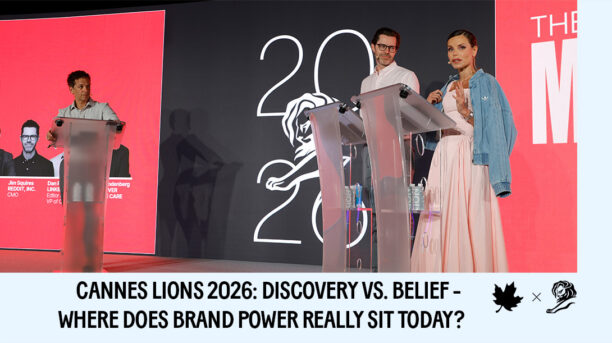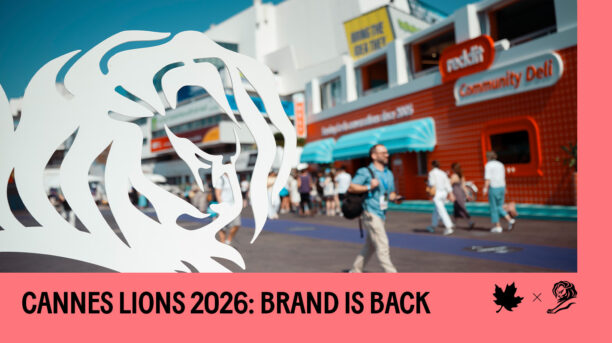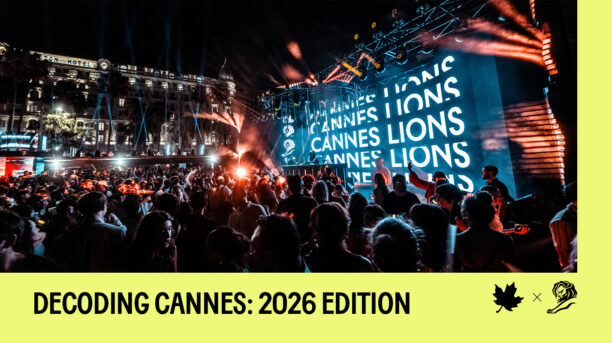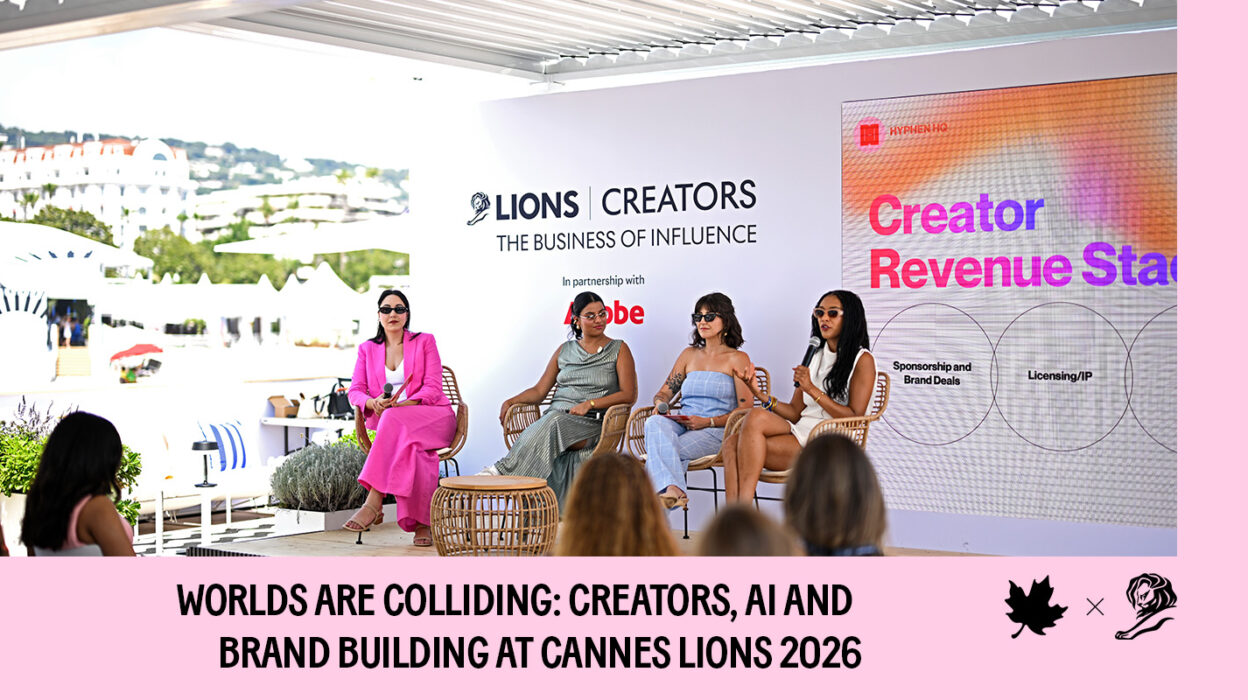
As Director of Globe Content Studio at The Globe and Mail, Sean Stanleigh knows the power of storytelling. But beyond his work in content marketing, Sean has long been fascinated by the world of film, making his first Cannes Lions experience an opportunity to explore the intersection of creativity, culture, and ideas. Here are his perspectives on Cannes Lions 2026.
Content marketing is my day job, but movies are a lifelong passion, and whenever Cannes was mentioned in conversation, its prestigious film festival was the first thing that came to mind.
But what finally brought me to the iconic city in the south of France was the 2026 Cannes Lions International Festival of Creativity, a five-day event for advertisers and marketers. Put aside the setting – it’s glamorous no matter the circumstances – and you realize that not only are the two annual gatherings a mere month apart, but they also revolve around big money, big names, and big ideas.
Or, as the Hollywood Reporter noted, “Cannes Lions Feels More Hollywood Than the Film Festival This Year.”
It’s fair to call 2026 the year of YouTube-to-movie crossovers. Mark “Markiplier” Fischbach’s Iron Lung theatrical release was self-financed and self-distributed. His 39-million-odd online followers helped power the film to a US$50-million box-office haul. The more recent Obsession and Backrooms were financed by larger studios, but they still relied on low budgets and young directors who started their careers on YouTube. Both were massive successes – and the ride’s not over yet.
Walking La Croisette, the waterfront promenade in Cannes, I passed the likes of Flavor Flav and Janelle Monáe. I was 10 feet from Eva Longoria during a fireside chat in an Omnicom activation (thankfully minus the ‘fireside’ part, it was a week of blazing heat). Stagwell Sport Beach, one of the stand-alone outdoor stages, gave me an opportunity to hear from former Lakers star Shaquille O’Neal, Toronto Maple Leaf William Nylander, and tennis legend Maria Sharapova.
What makes this interesting is that the celebrities blended in as part of the experience. They shared the same stages as the marketing experts, they didn’t have visible security details, there were no velvet ropes, egos seemed to be checked at the door.
The creators and influencers dominating marketing campaigns were also in abundance, but ‘traditional’ stars are just as invested in their personal brands and corporate partnerships these days as they are in their professional careers.
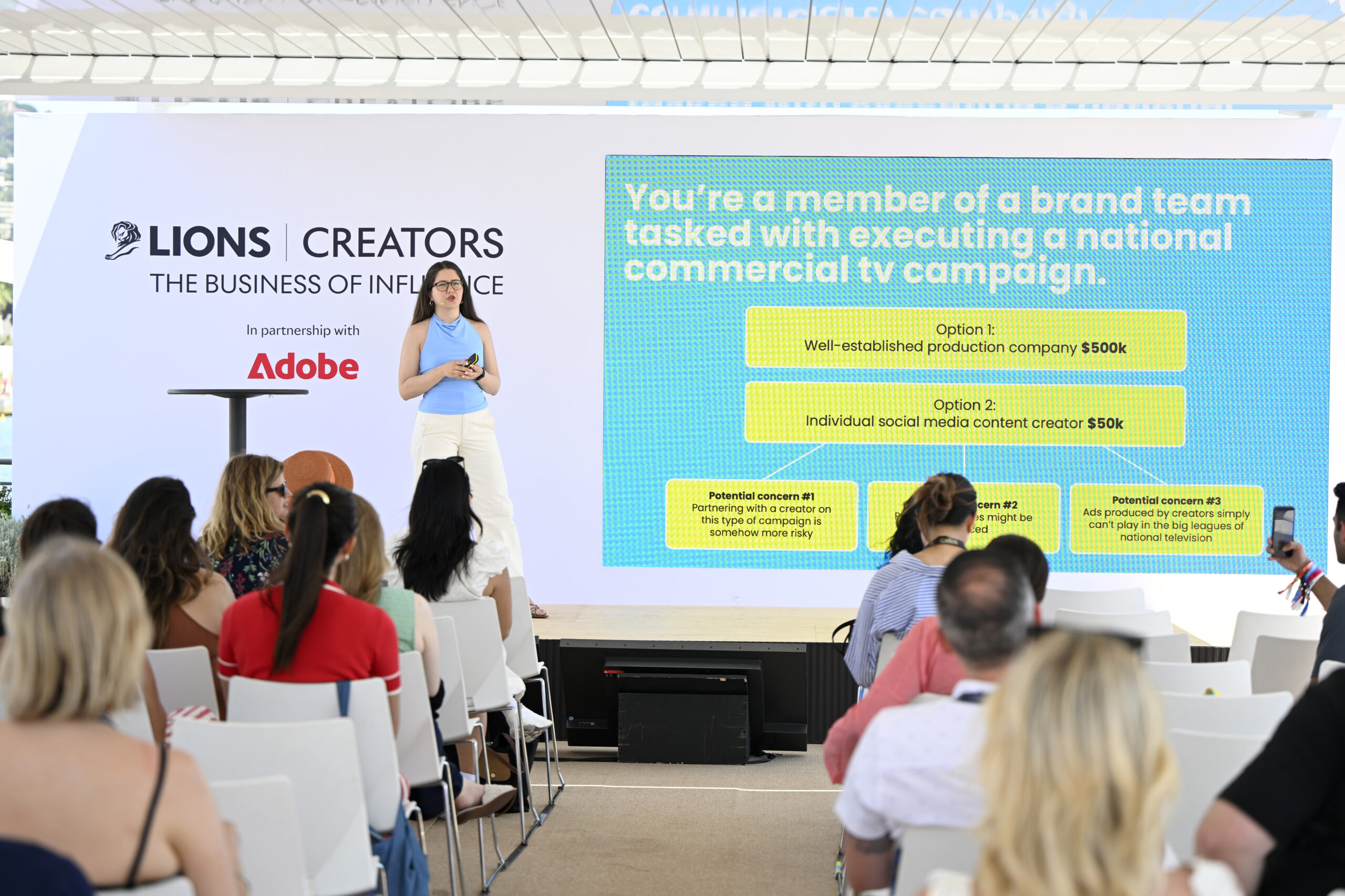
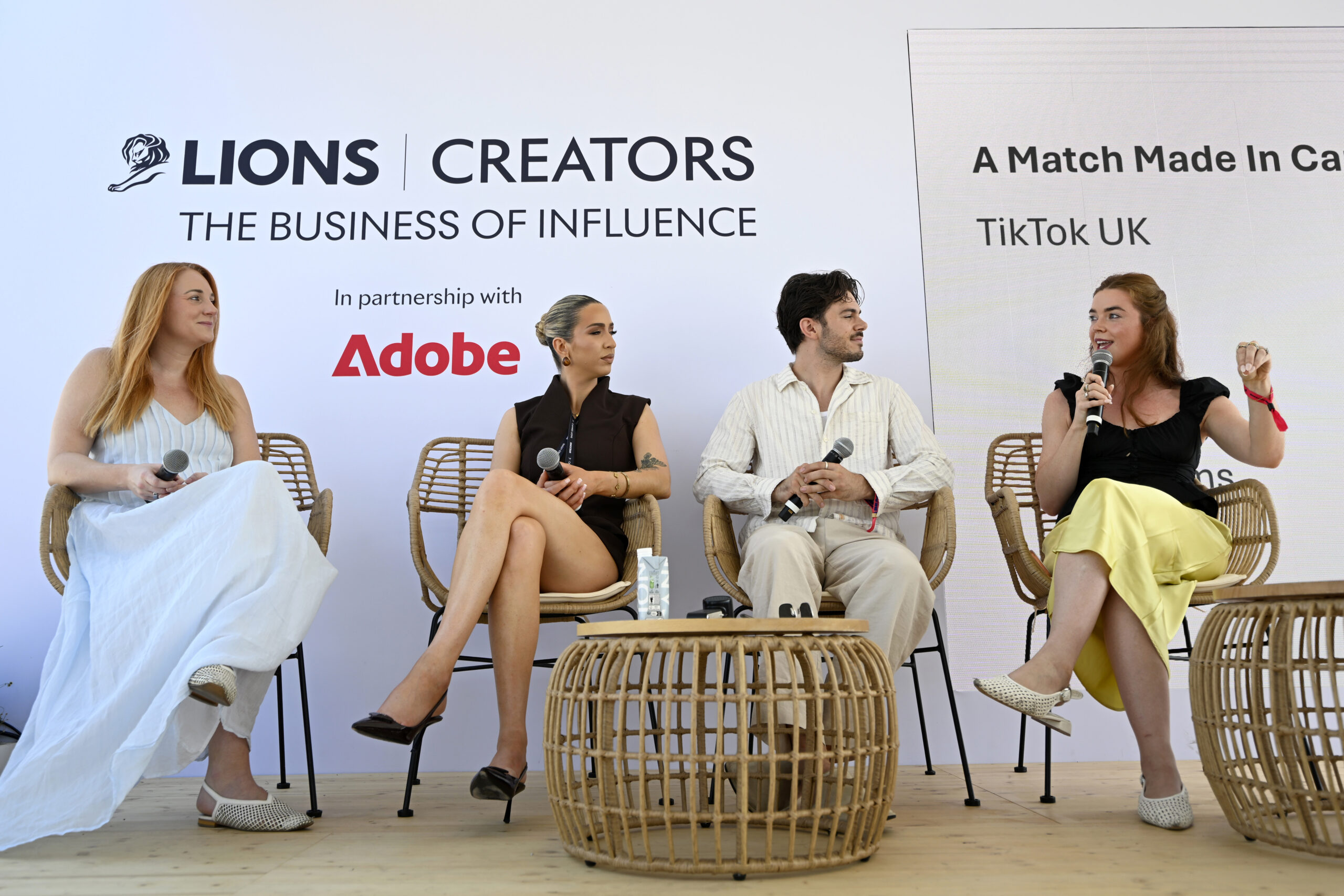
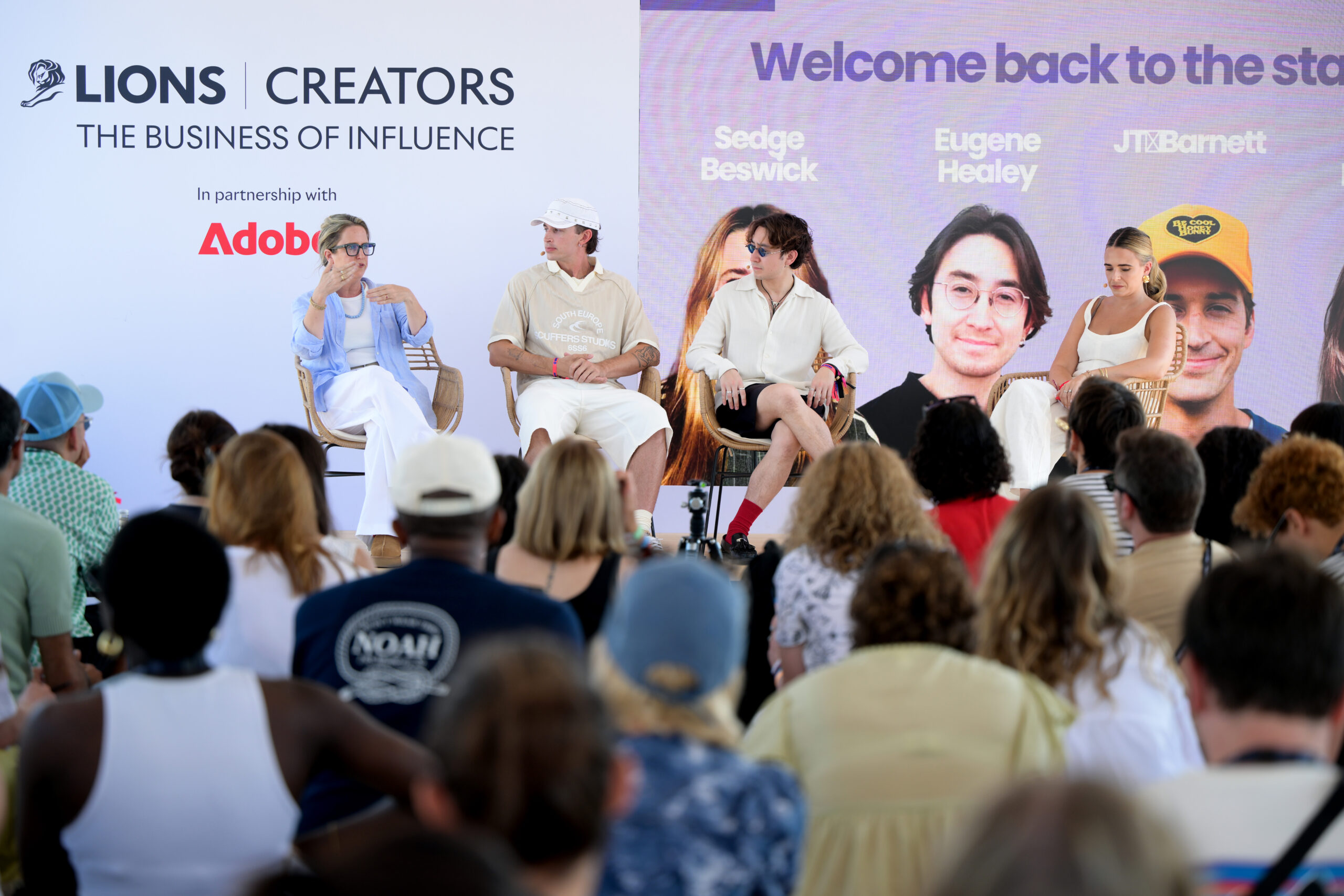
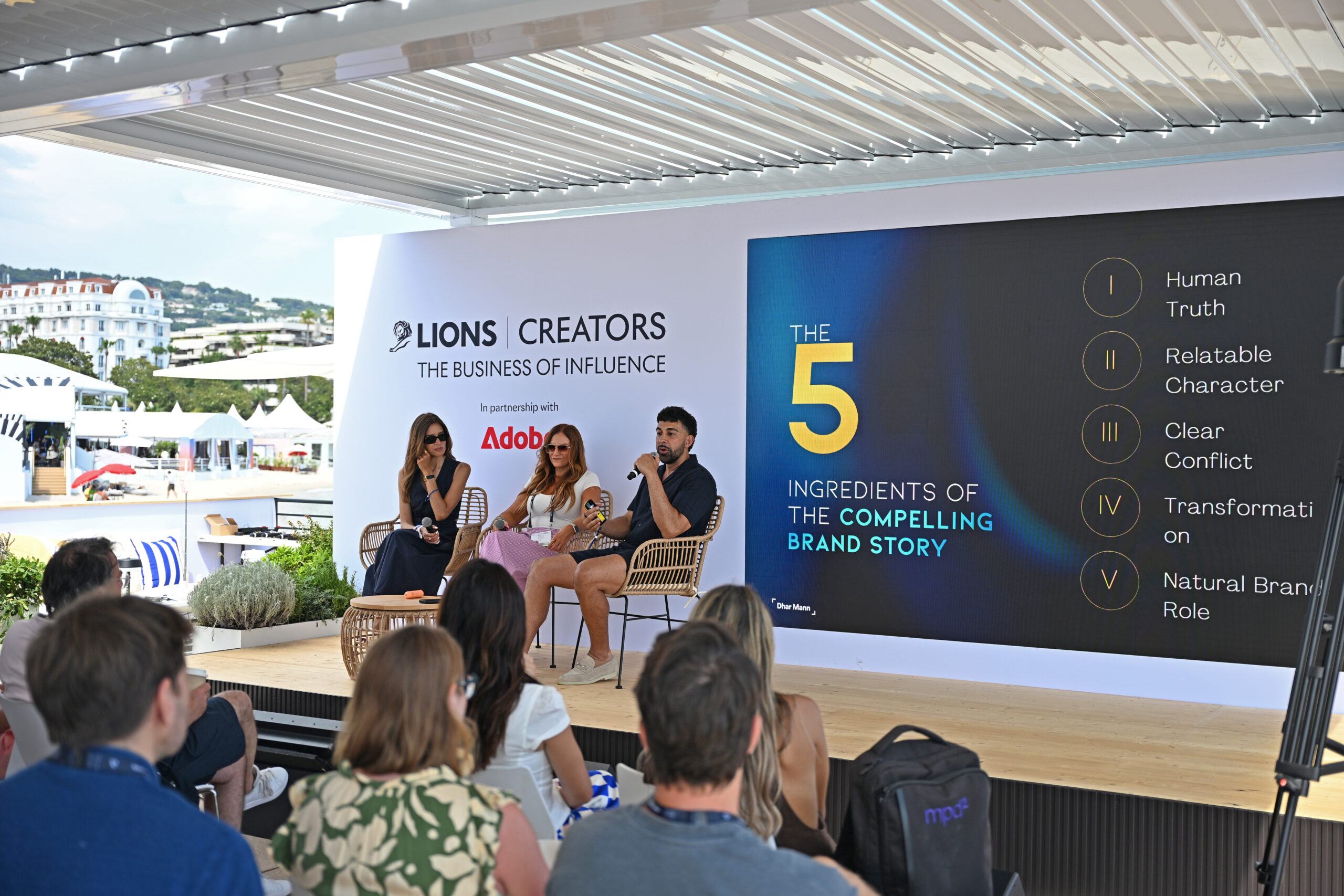
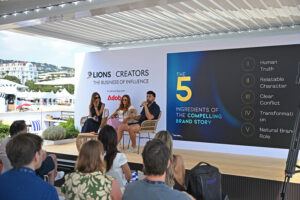
Worlds are colliding.
My top takeaway? Creators of all stripes are a dominant force. If ‘trends-come-in-threes’ is your jam, the other two topics that really popped were shifting attitudes toward AI, and achieving brand relevance by tapping into fandom, culture and community.
Here are some of my favourite individual moments, in no particular order:
- In the Lion of St Mark lifetime-achievement-award seminar with veteran ad executive Susan Credle, she predicted a renaissance for brands, rooted in trust and long-term commitments to strong ideas and values. She seemed to have little patience for ‘fast-and-cheap’ campaigns.
- Why does Longoria work with L’Oreal? “Because I’m worth it” is a mantra for women everywhere, she said. She also mentioned she prefers working with other women “because they get it” and she doesn’t have to “women-splain” to them. She considers diverse storytelling by diverse voices to be the quickest path to innovation for brands.
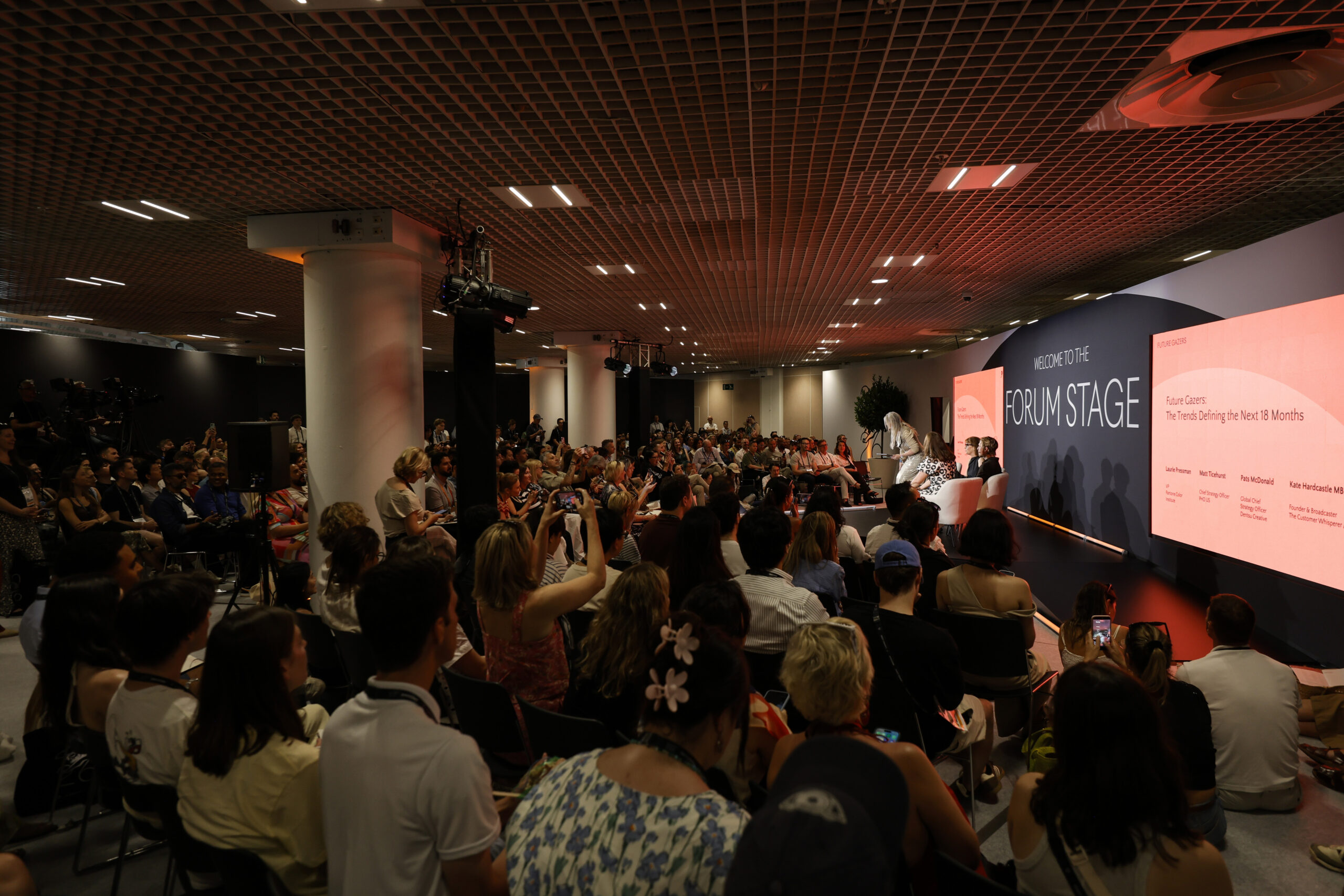
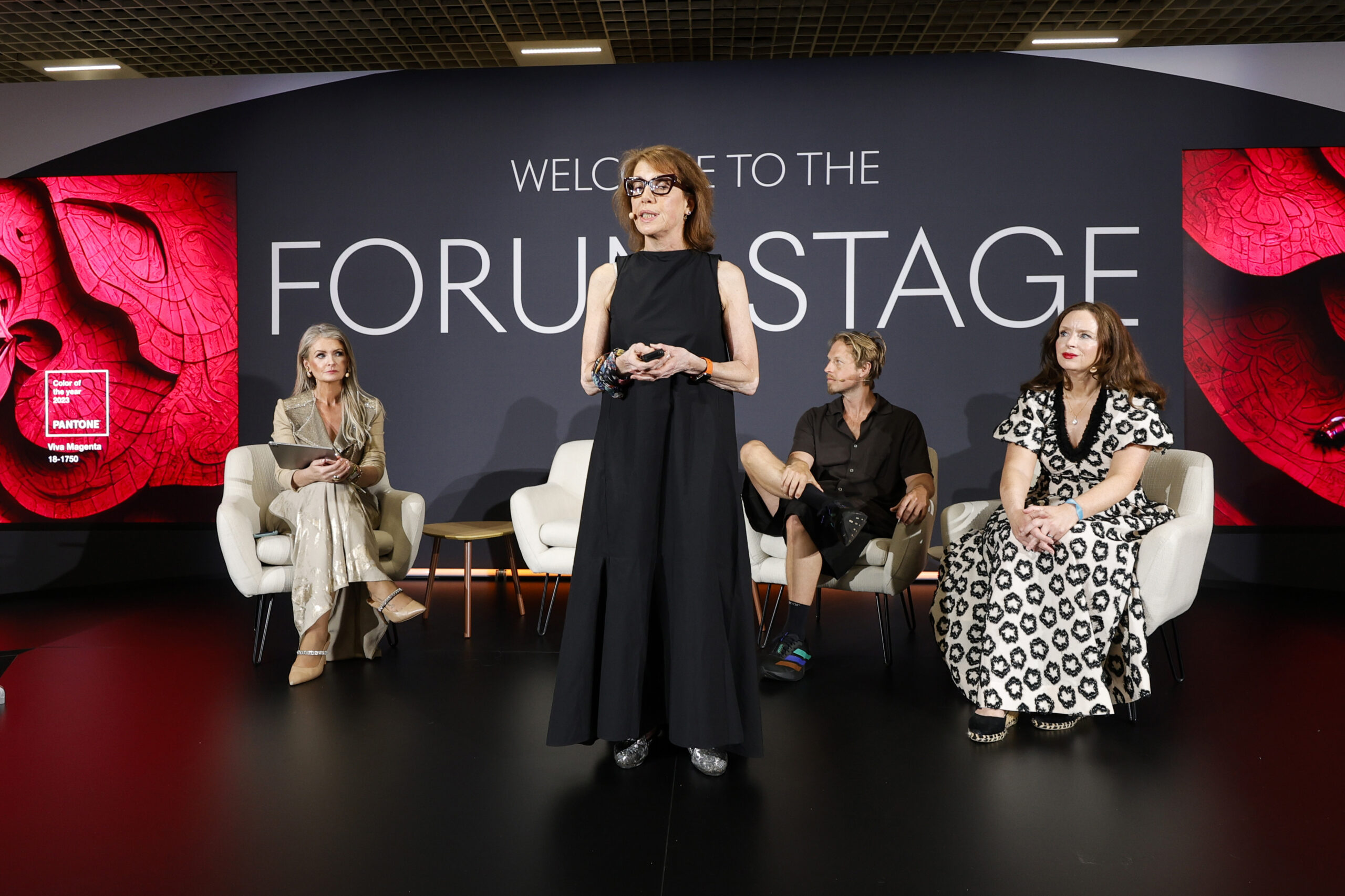
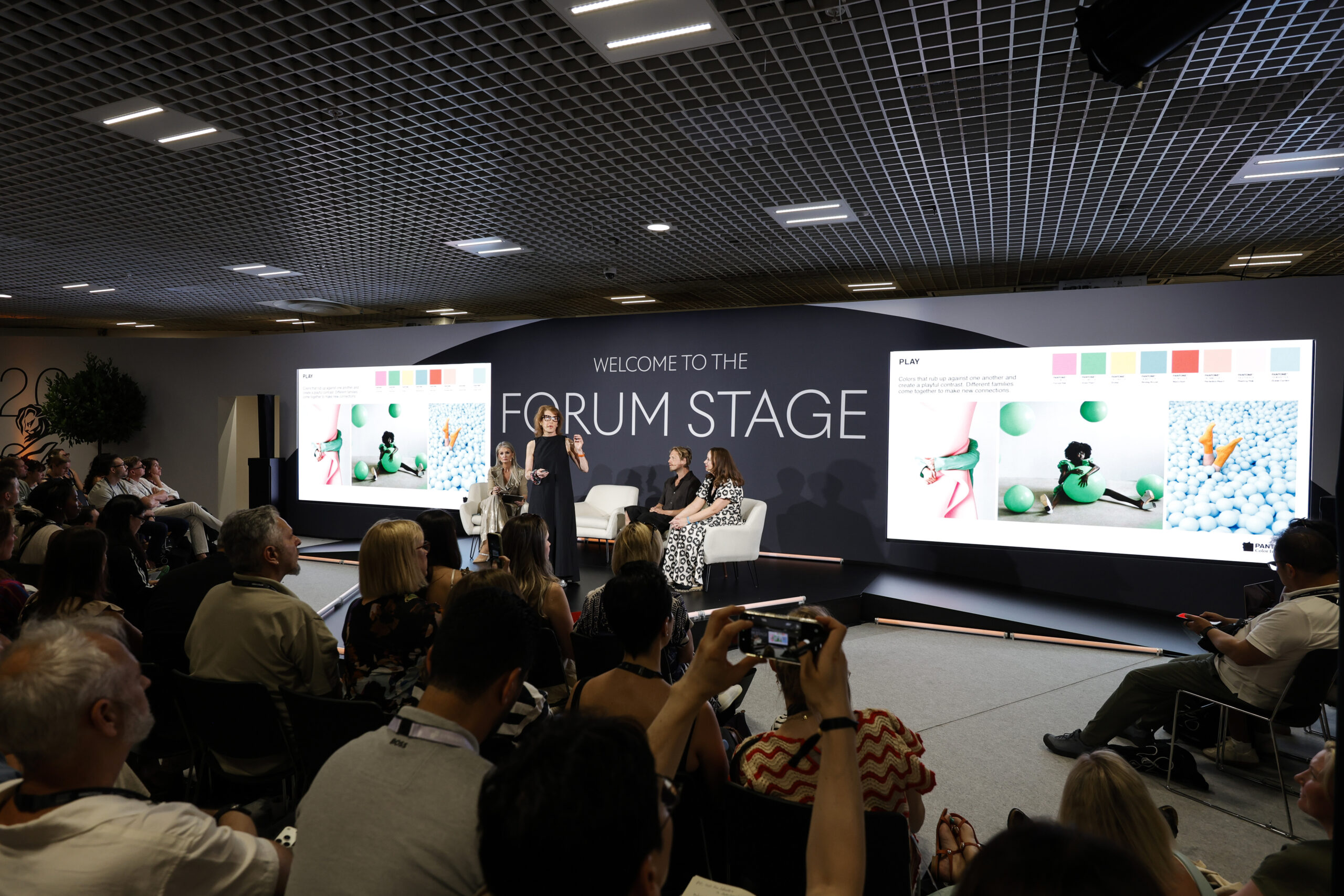
- Matt Ticehurst of PHD, at a ‘Future Gazers’ panel forecasting trends for the next 18 months, suggested brands test-and-try ways to work effectively with AI agents. The process starts by shifting strategies away from marketing KPIs and toward consumer goals, then training agents to turn your brand ethos into practical purchasing solutions at scale.
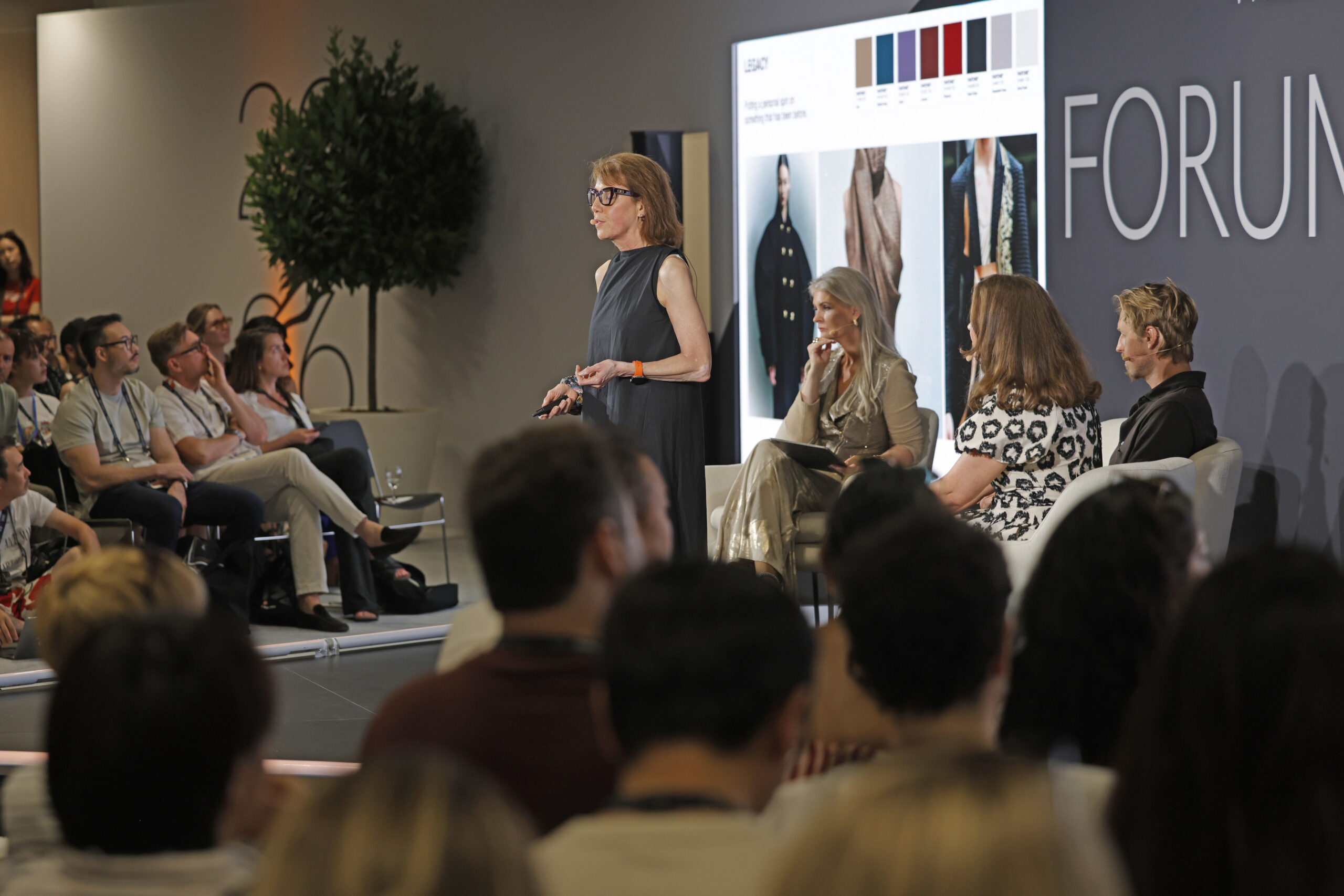
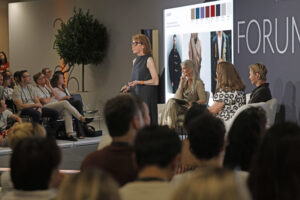
- In a similar vein, OpenAI’s vice-president and head of global advertising solutions, David Dugan, said ads on his platform should aim to help users find what they need, which means contextual targeting, not keywords. While advertising on OpenAI is only a few months in, Dugan said from the Omnicom stage that ‘benefits-oriented phrasing’ is performing best for brands so far.
- Teams from The Gathering and Common Interest hosted an intimate discussion related to the Brand Hall of Fame. There was a healthy debate on the merits of MTV as a ‘hall of fame’ brand, given it’s no longer a leading cultural entity. That led to a consensus that balance makes you memorable – or as one attendee put it, “you need to flex into the spaces successful brands play in.” These days, that means creating content discoverable by LLMs.
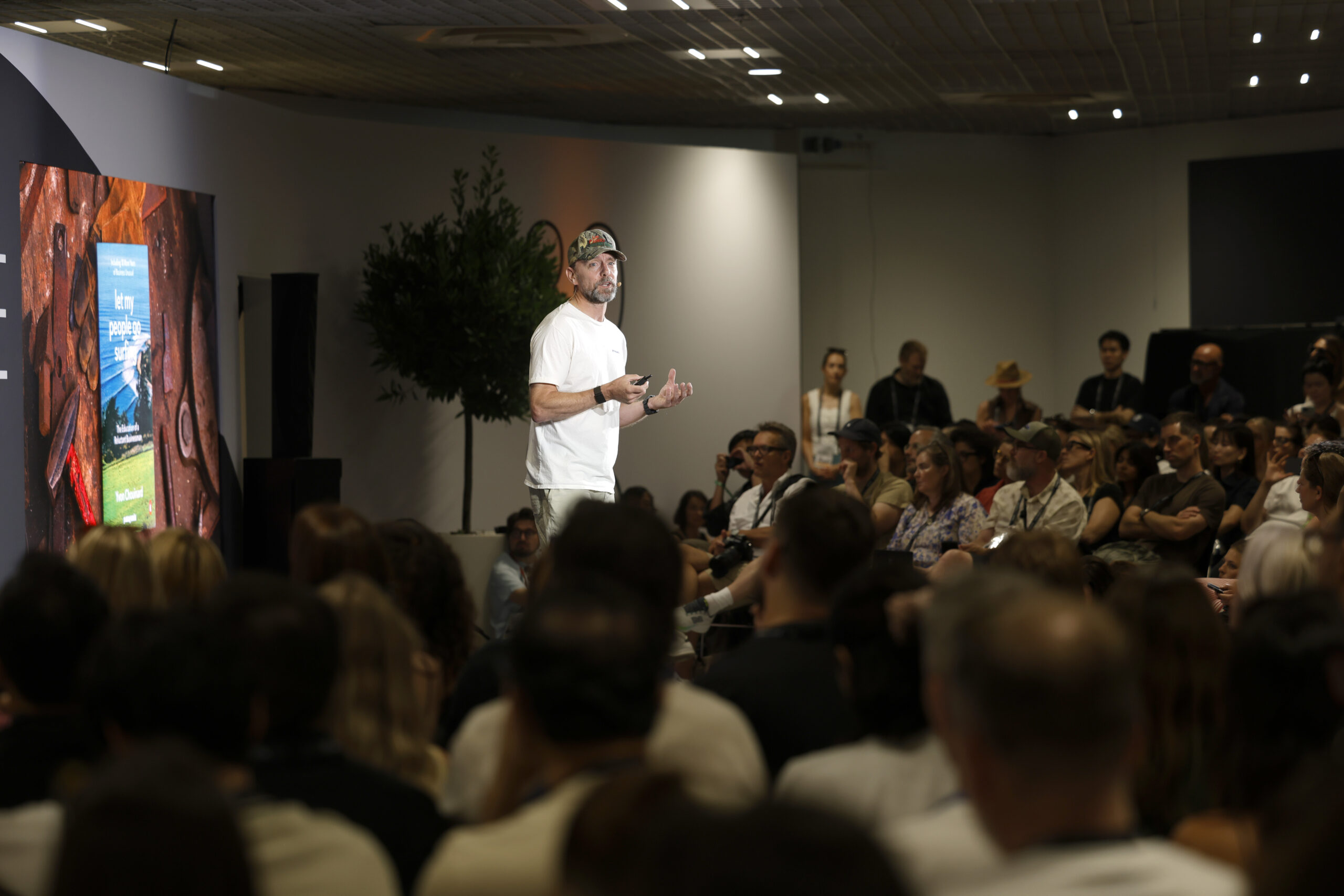
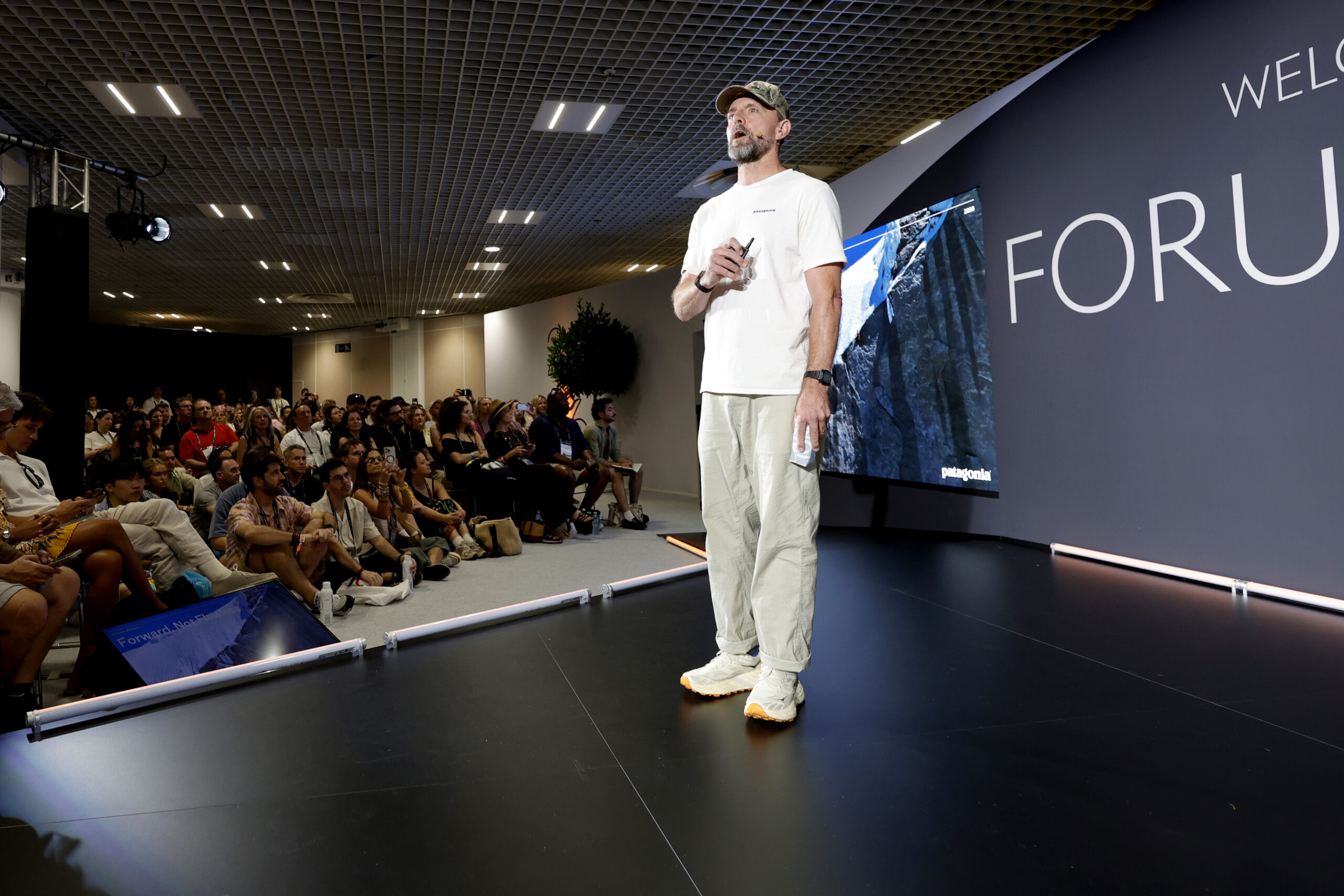
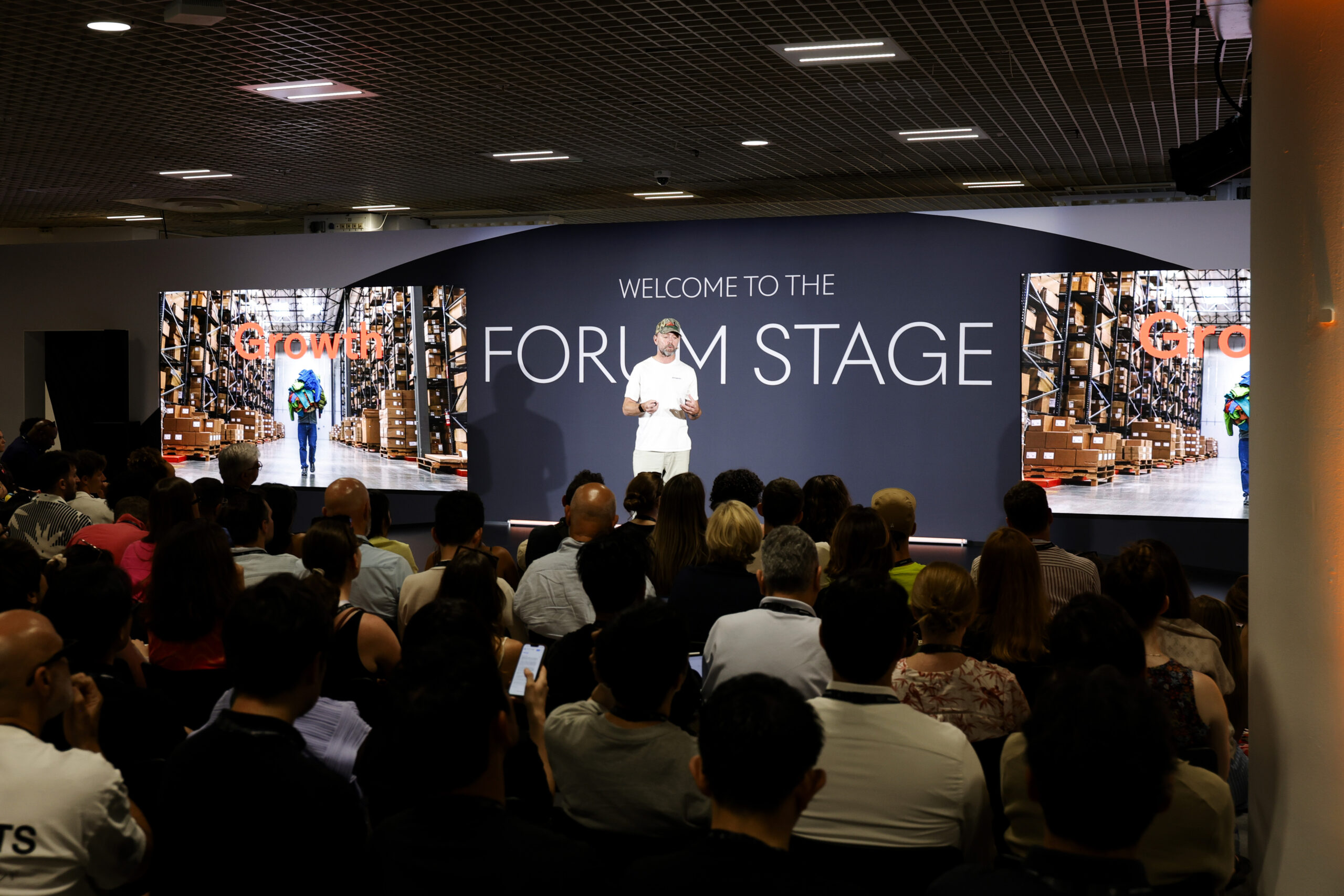
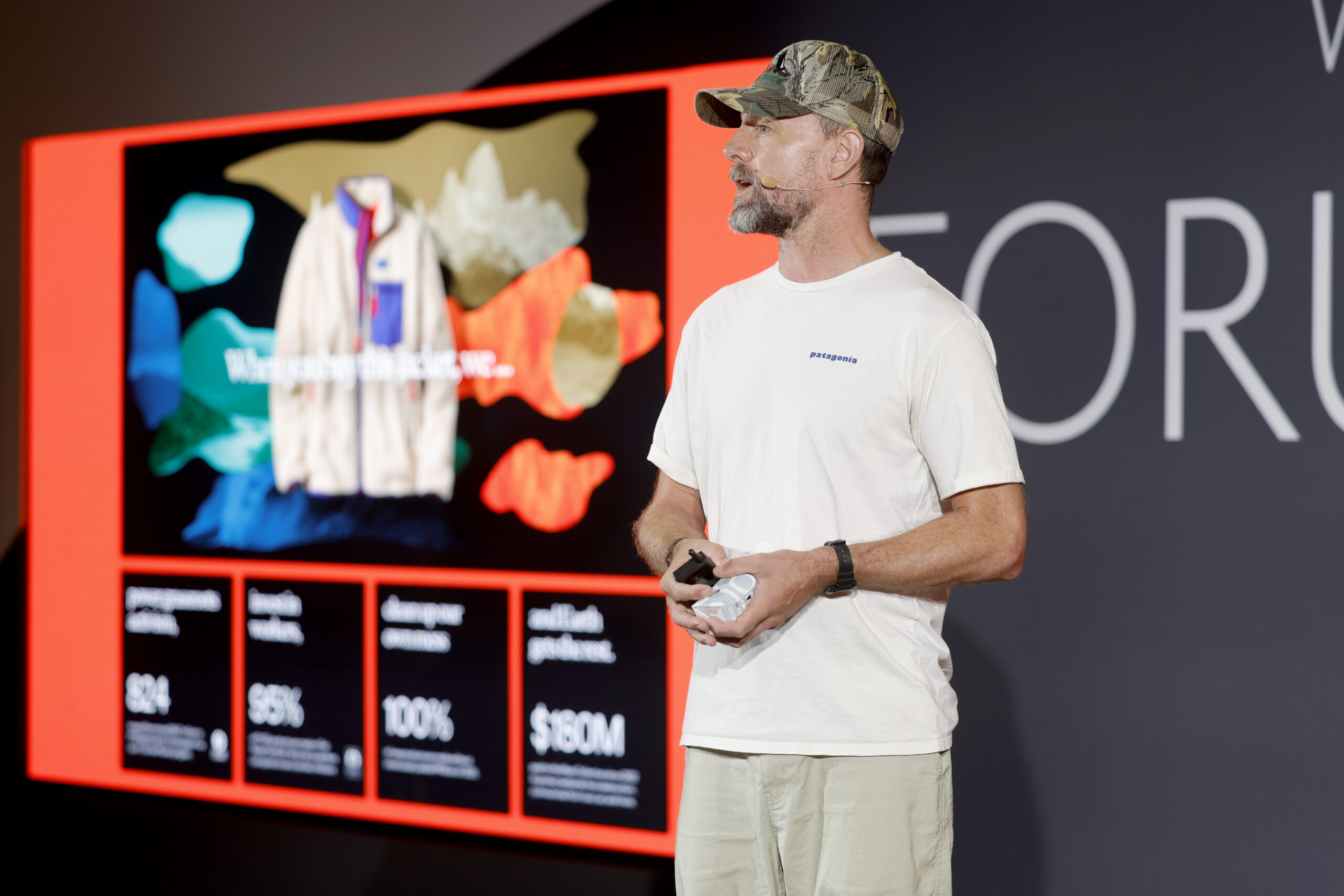
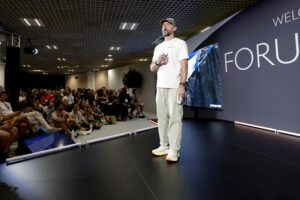
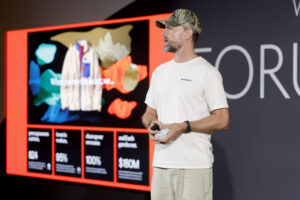
- Patagonia has always been a unique brand, but it stands out even more in these politically and culturally charged times. In a standing-room-only presentation, Alex Weller, the company’s vice-president of creative, outlined the tension between capitalism and environmentalism. Or maintaining values while making money. As the business grows, its impact expands, but its mistakes are more amplified. The marketing solution? The social-media-driven “Patagonia Fan Mail,” is a series of short films in which high-ranking employees respond directly to online criticisms of company practices. If there’s a problem, the thinking goes, better to just address it honestly and directly.
Sean Stanleigh is director of Globe Content Studio, the content-marketing division of The Globe and Mail.